






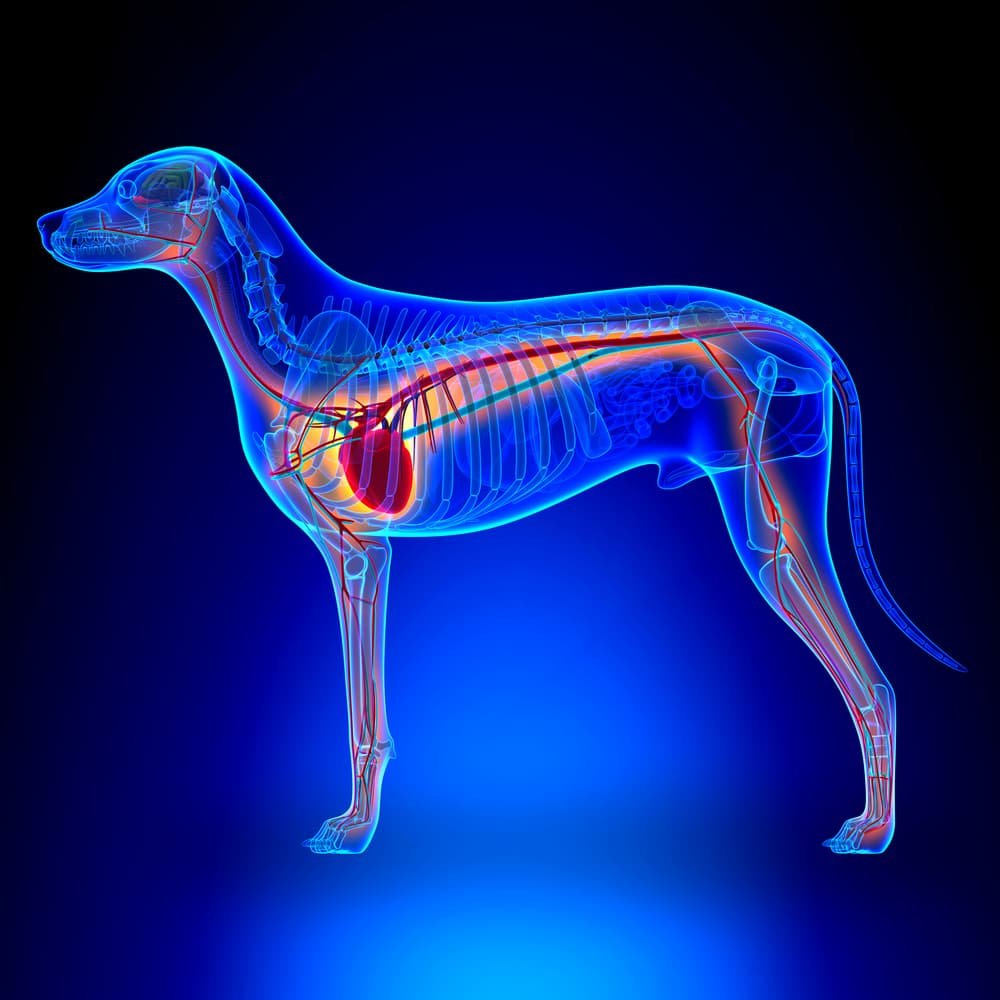
A dog’s heart beats just like yours and mine, a powerful force that sustains their joyful existence. But have you ever wondered, where is the dog’s heart located? Nestled within their chest, slightly to the left side, the dog’s heart plays a crucial role in pumping oxygen-rich blood throughout its body. Understanding where to find the dog’s heart can help you monitor their health and wellbeing more effectively. Let’s dive deeper into this vital organ that symbolizes love, loyalty, and life itself.

Where is the Dog’s Heart: A Guide to Understanding Your Furry Friend
Welcome, pet lovers and curious minds! Have you ever wondered where exactly a dog’s heart is located? Dogs are known for their loyalty, playful nature, and boundless love, but understanding their anatomy can deepen our connection with these furry companions. In this comprehensive guide, we will delve into the fascinating world of a dog’s heart, exploring its location, function, and importance in keeping your canine friend healthy and happy.
The Anatomy of a Dog’s Heart
Before we uncover the mystery of where a dog’s heart is situated, let’s take a closer look at its anatomy. Just like humans, dogs have a vital organ called the heart that pumps blood throughout their bodies. A dog’s heart is a muscular organ that plays a crucial role in circulating oxygen and nutrients to all parts of the body, ensuring proper growth, repair, and overall health.
The dog’s heart is located in the chest cavity, slightly to the left of the center. It is positioned between the lungs and protected by the ribcage. Despite its small size compared to larger animals, a dog’s heart works tirelessly to keep the circulatory system running smoothly.
Function of the Dog’s Heart
Now that we know where the dog’s heart is located, let’s explore its function. The main role of the heart is to pump blood throughout the body via a network of blood vessels known as arteries and veins. This process ensures that oxygenated blood is delivered to vital organs and tissues, while deoxygenated blood is carried back to the heart to be reoxygenated.
The dog’s heart consists of four chambers: the left and right atria, and the left and right ventricles. These chambers work together in a coordinated manner to facilitate the flow of blood. The atria receive blood from the body and lungs, while the ventricles pump blood out to the rest of the body.
Additionally, the heart has its electrical system that controls the heartbeat. This intricate system regulates the heart rate, ensuring that blood is pumped efficiently and effectively. A healthy heart rate is essential for maintaining a dog’s overall well-being.
Signs of a Healthy Dog’s Heart
As responsible pet owners, it’s crucial to be aware of the signs of a healthy dog’s heart. By observing your furry friend’s behavior and physical condition, you can determine if their heart is functioning properly. Some indicators of a healthy dog’s heart include:
- Regular, steady heartbeat
- Normal breathing patterns
- Good energy levels and playfulness
- Healthy appetite and weight
- Shiny coat and overall appearance
If you notice any unusual symptoms such as coughing, labored breathing, lethargy, or decreased appetite, it’s essential to consult a veterinarian promptly. Early detection of heart issues can lead to timely interventions and improved outcomes for your canine companion.
Common Heart Conditions in Dogs
While dogs are generally resilient animals, they can be susceptible to various heart conditions that may affect their overall health. Some common heart issues in dogs include:
1. Canine Dilated Cardiomyopathy (DCM)
DCM is a condition that causes the heart muscle to become weak and enlarged, leading to decreased cardiac function. Breeds such as Doberman Pinschers, Boxers, and Great Danes are more prone to DCM. Symptoms may include fatigue, coughing, and difficulty breathing.
2. Mitral Valve Disease
This condition affects the mitral valve, leading to a backflow of blood in the heart chambers. Small breed dogs, especially older ones, are commonly affected by mitral valve disease. Signs may include coughing, exercise intolerance, and fluid buildup in the lungs.
3. Heartworm Disease
Heartworms are parasites that can infect a dog’s heart and lungs, causing serious health complications if left untreated. Prevention through regular heartworm medication is key to protecting your dog from this potentially life-threatening condition.
How to Keep Your Dog’s Heart Healthy
Prevention is always better than cure when it comes to your dog’s heart health. Here are some tips to help keep your furry friend’s heart in top shape:
- Provide a balanced diet with high-quality ingredients
- Ensure regular exercise to maintain a healthy weight
- Schedule annual check-ups with your veterinarian
- Administer heartworm prevention medication as recommended
- Monitor your dog’s behavior and overall well-being
Remember, a healthy heart leads to a happy and vibrant dog who can continue to bring joy and companionship to your life. By prioritizing your dog’s heart health, you are investing in their quality of life and longevity.
In conclusion, understanding where a dog’s heart is located and how it functions is essential for every pet owner. By knowing the anatomy and function of the heart, you can better care for your furry companion and recognize signs of potential health issues. Remember to pay close attention to your dog’s well-being, provide them with proper care and nutrition, and seek veterinary attention if needed.
Keep your dog’s heart happy and healthy, and you’ll enjoy many years of cherished memories and unconditional love with your loyal four-legged friend. Here’s to the remarkable bond between humans and dogs, united by the beating of a loving heart.
Home monitoring of heart failure in dogs – Sleeping Respiratory Rate (SRR)
Frequently Asked Questions
Where can the heart be found in dogs?
In dogs, the heart is located in the chest cavity, slightly to the left side. It is situated behind the ribcage and between the lungs, protected by the sternum.
How important is it to know the location of a dog’s heart?
Understanding the location of a dog’s heart is crucial for performing proper physical examinations, administering medications, and recognizing signs of heart-related issues. Knowing where the heart is can aid in diagnosing and treating cardiac conditions effectively.
Can you feel a dog’s heartbeat by touching a specific area?
Yes, you can typically feel a dog’s heartbeat by placing your hand on the left side of their chest, slightly behind the elbow. By gently applying pressure, you may sense the rhythmic pulsations of the heart.
Final Thoughts
In conclusion, understanding where a dog’s heart is located is crucial for their health and well-being. The heart of a dog is situated in the chest cavity, just behind the front legs. Being aware of this can aid in recognizing signs of heart issues early on. Regular check-ups with a veterinarian can help monitor the dog’s heart health effectively. Remember, knowing where a dog’s heart is can make a significant difference in their overall quality of life.