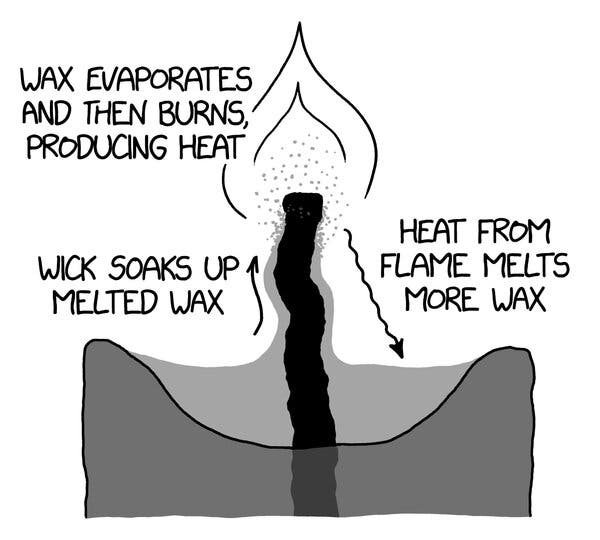
Where does wax come from for candles? The answer lies in an intriguing process that dates back centuries. Beeswax, a natural and popular choice, comes directly from the honeycomb of bees. Alternatively, paraffin wax is derived from petroleum, while soy wax is crafted from soybean oil. Each type of wax carries its unique properties, making the journey from its source to a finished candle an artful and fascinating one. Join us as we delve deeper into the origins of wax for candles and discover the magic within each flickering flame.

Where Does Wax Come From for Candles?
Welcome, young candle enthusiasts! Have you ever wondered where the magical substance that creates the warm glow of candles comes from? In this blog, we will delve into the fascinating world of candle wax and explore its origins. Let’s embark on this enlightening journey together!
The Basics of Candle Wax
Before we uncover the secrets of where wax comes from, let’s first understand what candle wax is. Candle wax is a solid material that becomes liquid when heated, allowing it to be molded into different shapes and sizes for candles. It is this wax that gives candles their soft glow and wonderful scents.
The Source of Candle Wax
So, where does this special wax come from? Candle wax is primarily derived from natural sources such as plants, animals, and even minerals. However, the most common types of candle wax come from two main sources:
1. Plant-Based Wax
Plant-based waxes are extracted from various plants, such as soybeans, palm trees, and coconuts. Soy wax, in particular, is a popular choice for environmentally-conscious candle makers as it is renewable and biodegradable. Soybeans are harvested and processed to extract the oil, which is then hydrogenated to create the wax used in candles.
Did you know that soy wax candles burn cleaner and longer than traditional paraffin wax candles? Plus, they are eco-friendly, making them a great choice for those who care about the environment!
2. Animal-Based Wax
Another source of candle wax is animal-based, with beeswax being the most well-known example. Beeswax is produced by honeybees to build their honeycombs, and it is harvested sustainably to create beautiful, aromatic candles. Beeswax candles have a natural honey scent and a warm glow that adds a cozy ambiance to any space.
Using beeswax candles not only benefits the environment but also supports beekeepers and their essential work in pollinating plants and crops.
Other Types of Candle Wax
In addition to plant-based and animal-based waxes, there are other types of candle wax that come from minerals like paraffin wax and synthetic materials like gel wax. Paraffin wax, derived from crude oil, is a common wax used in many candles due to its affordability and ease of use.
Gel wax, on the other hand, is a clear, rubbery material that allows for creative and decorative candles. It is a synthetic wax that offers unique design possibilities, making it a favorite among crafters and candle enthusiasts.
Choosing the Right Wax for Your Candles
When deciding on the type of wax to use for your candles, consider factors such as cost, sustainability, burn time, and scent throw. Each type of wax has its own characteristics and benefits, so choose the one that aligns with your preferences and values.
Experimenting with different waxes can be a fun and creative process, allowing you to discover unique candle-making techniques and create personalized candles that reflect your style.
In Conclusion
Now that we’ve explored the origins of candle wax and learned about the different sources of this magical substance, you have a better understanding of where wax comes from for candles. Whether you prefer plant-based soy wax, natural beeswax, or other types of wax, each has its own charm and beauty that adds warmth and light to our lives.
So, the next time you light a candle and bask in its gentle glow, remember the journey that the wax has taken to bring you that moment of tranquility and joy. Happy candle-making, young candle enthusiasts!
Where Does the Candle Wax Go?
Frequently Asked Questions
What is the source of wax used for making candles?
Wax used for making candles can come from various sources, including natural materials such as beeswax, soy wax, palm wax, and paraffin wax.
Is beeswax a common source of wax for candles?
Beeswax is a popular natural wax used in candle-making, sourced from honeycomb hives created by honey bees.
Can soy wax be used as an alternative to traditional candle wax?
Yes, soy wax, derived from soybean oil, is a sustainable and environmentally friendly option for making candles, popular among those seeking natural alternatives.
What is the process of obtaining palm wax for candle-making purposes?
Palm wax is derived from palm oil, typically obtained from the fruit of oil palm trees. The oil is processed and refined to create the wax used in candle production.
Final Thoughts
In conclusion, the process of making candles starts with acquiring wax. The wax used in candles comes from various sources such as beeswax, paraffin, soy wax, and palm wax. Each type of wax has its unique qualities that affect burning time and scent throw. Understanding where does wax come from for candles is crucial in selecting the right type of wax for different candle-making projects. Making informed decisions about the type of wax to use will result in high-quality candles that meet specific needs and preferences.